✓
Matched To The Real Problem
I do not recommend training aids just because they are popular. The aid has to match the player, the pattern, and the lesson priority.
I use golf training aids in private lessons at Perfectly Fit Golf in Escondido to create better feels, better practice, and faster learning — but only when the tool matches the player. From HackMotion wrist data and ProSENDR structure to Orange Whip tempo, pressure-shift tools, impact feedback, and body sync, the aid should make the lesson clearer, not more complicated.
I do not recommend training aids just because they are popular. The aid has to match the player, the pattern, and the lesson priority.
A good training aid should make the movement easier to feel. It should simplify the lesson, not give the golfer one more thing to guess about.
The right aid gives a golfer a clear way to practice between lessons — contact, control, speed, sequence, connection, or clubface awareness.
Most golfers buy training aids because they saw a video, heard a promise, or wanted a quick fix. That is not how I use them. I match the tool to the player’s actual swing issue, learning style, and practice plan so golfers in Escondido, San Marcos, Vista, Fallbrook, Temecula, and North County San Diego can practice with a clearer purpose.
Before I recommend a tool, I want to know what the golfer is trying to fix and what the swing is actually doing.
Some players need connection. Some need pressure shift. Some need grip structure, wrist control, tempo, speed, or impact feedback.
The aid should give the player a simple way to rehearse the right move between lessons without creating a new problem.
This is not a generic catalog. It is a Coach Don recommendation guide to the tools I use when they support a real lesson goal: speed, tempo, grip, wrist data, clubface control, connection, pressure shift, impact, and swing plane feedback.
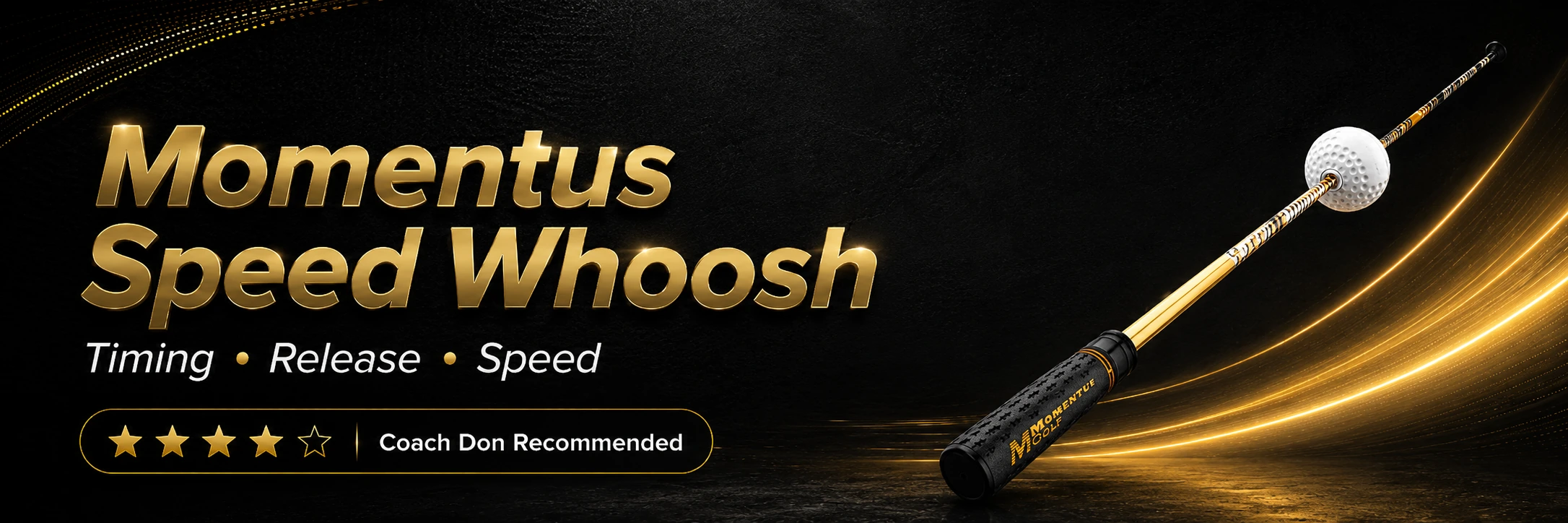
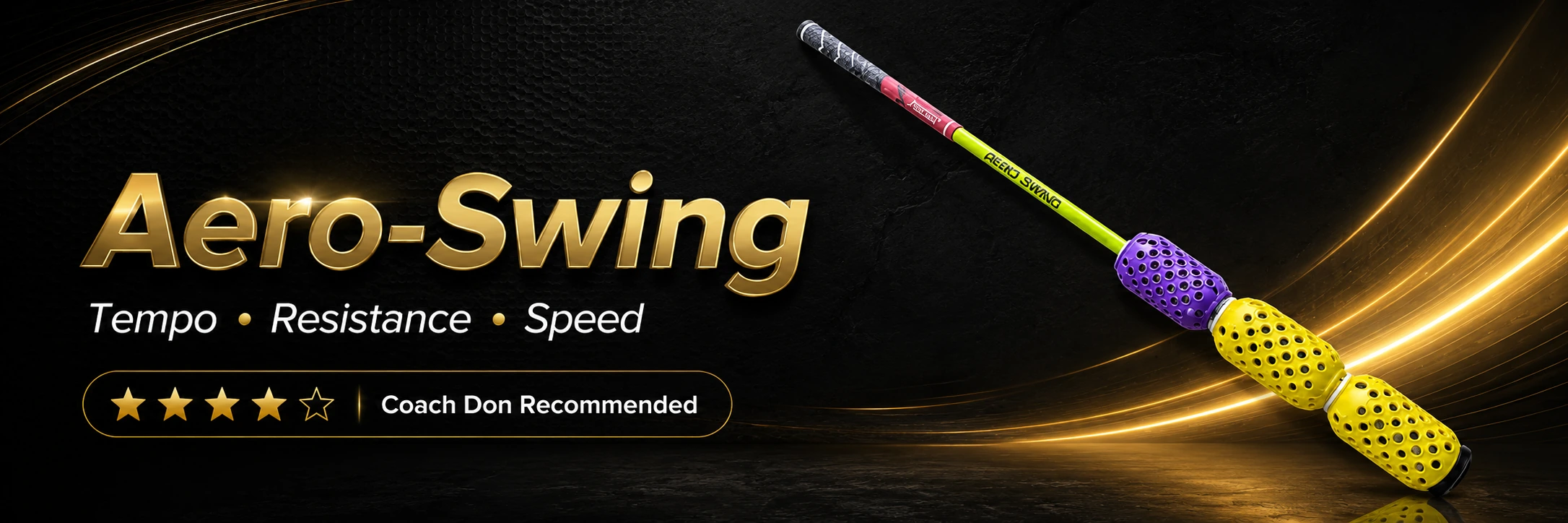
Best for: speed awareness and release timing.
Helps with: hearing and feeling when the club is accelerating through the hitting zone.
Not ideal for: players who first need contact, face, or setup corrections.
Coach Don’s take: useful when the player already understands the motion and needs more speed feel.
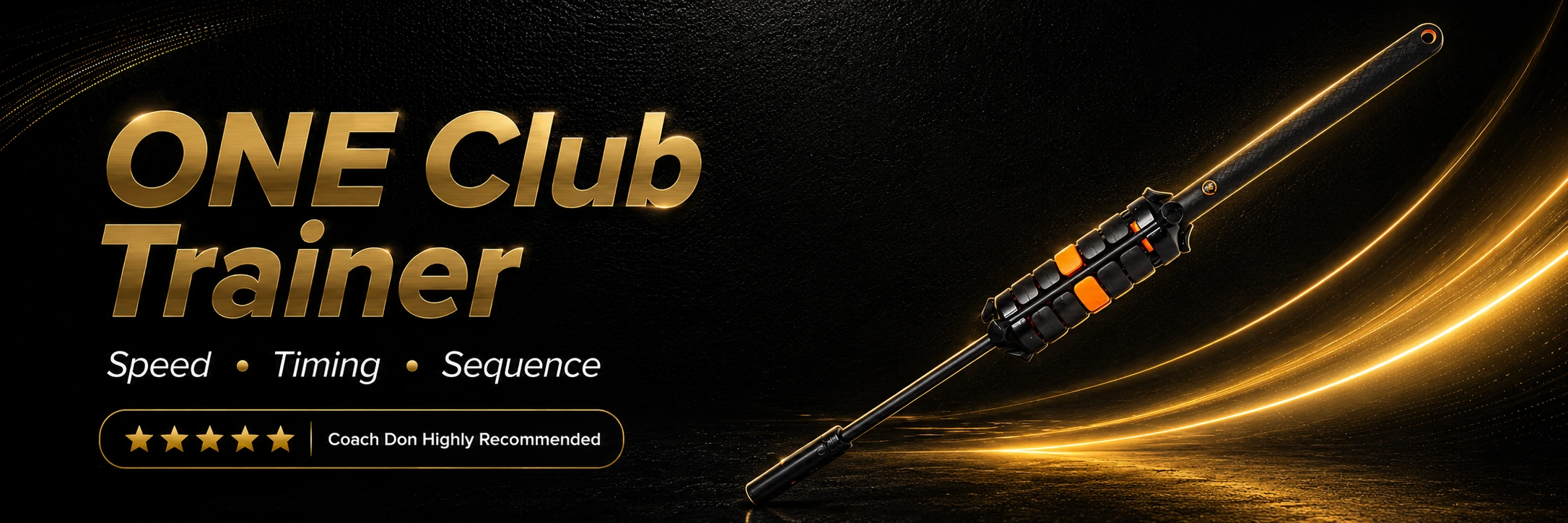
Best for: sequence, release, power, and movement feedback.
Helps with: feeling how speed is created without forcing the hands from the top.
Not ideal for: golfers who cannot yet make solid contact with a basic motion.
Coach Don’s take: a strong option when I want the player to feel speed with better body sequence.
Best for: resistance, rhythm, and movement awareness.
Helps with: creating load and flow while still making a golf-like motion.
Not ideal for: golfers who already get too tense or over-muscle the swing.
Coach Don’s take: good for the right player, but I would match it carefully to the swing pattern.
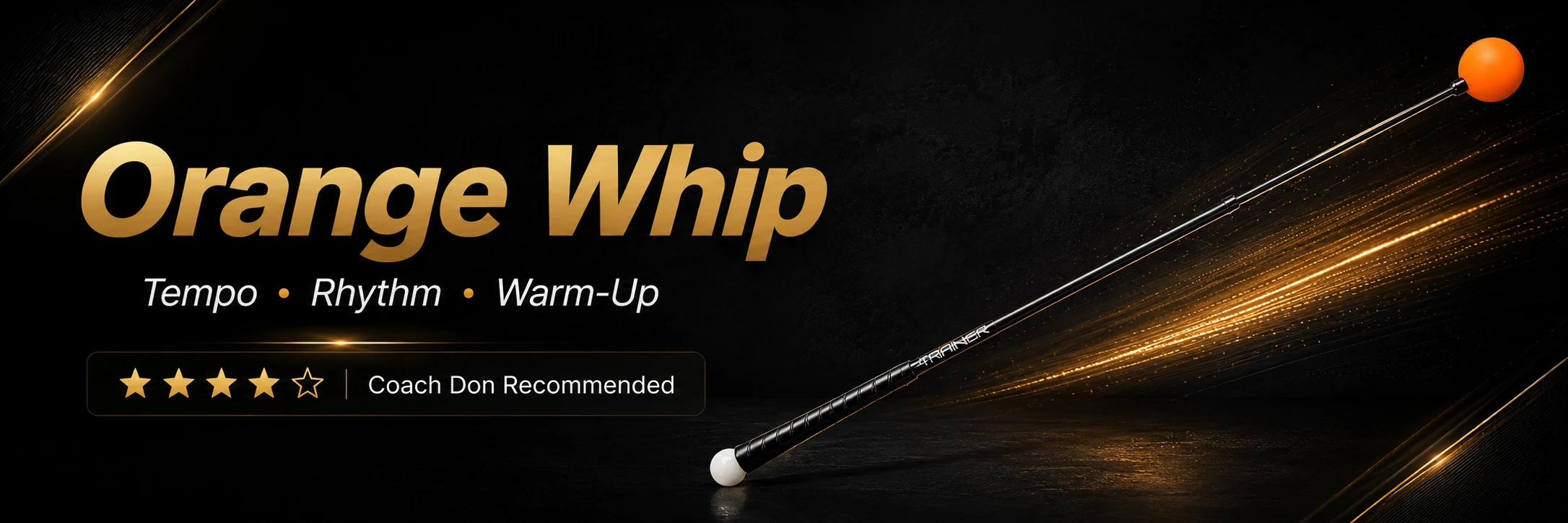
Best for: tempo, balance, rhythm, and warm-up.
Helps with: feeling a smoother motion instead of a rushed, disconnected swing.
Not ideal for: players who expect it to directly fix face angle or strike location.
Coach Don’s take: simple, recognizable, and useful when the goal is rhythm and flow.
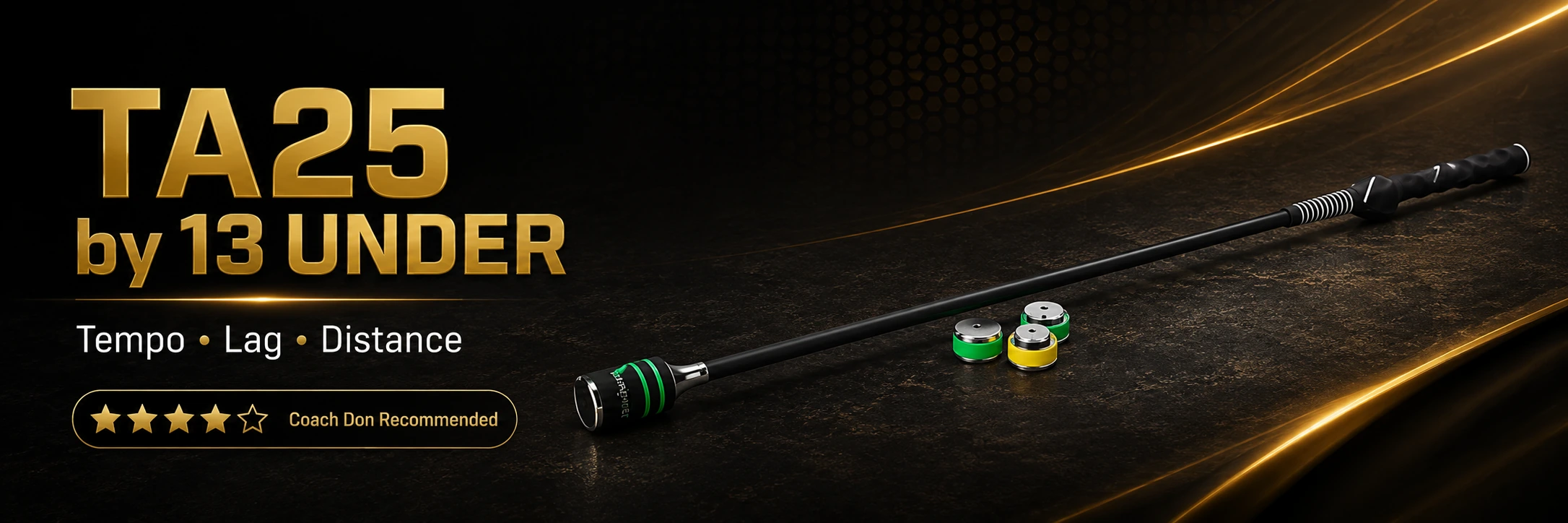
Best for: tempo, lag, warm-up, and distance training.
Helps with: feeling load, shaft movement, hand placement, and speed with a flexible weighted trainer.
Not ideal for: players who need a very simple beginner tool.
Coach Don’s take: useful when the player understands the drill and needs a specific tempo or speed feel.
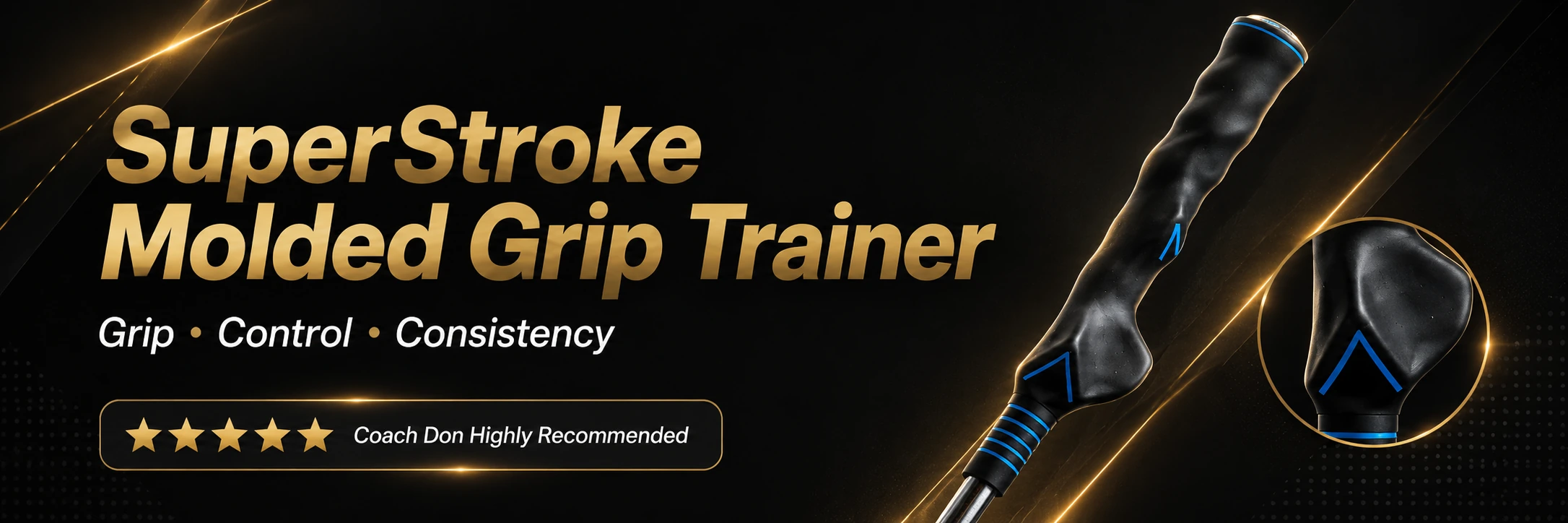
Best for: grip structure and hand placement.
Helps with: learning where the hands and fingers belong so the clubface is easier to control.
Not ideal for: players who are not willing to rehearse the grip away from the ball.
Coach Don’s take: very useful because the grip influences the face before the swing even starts.
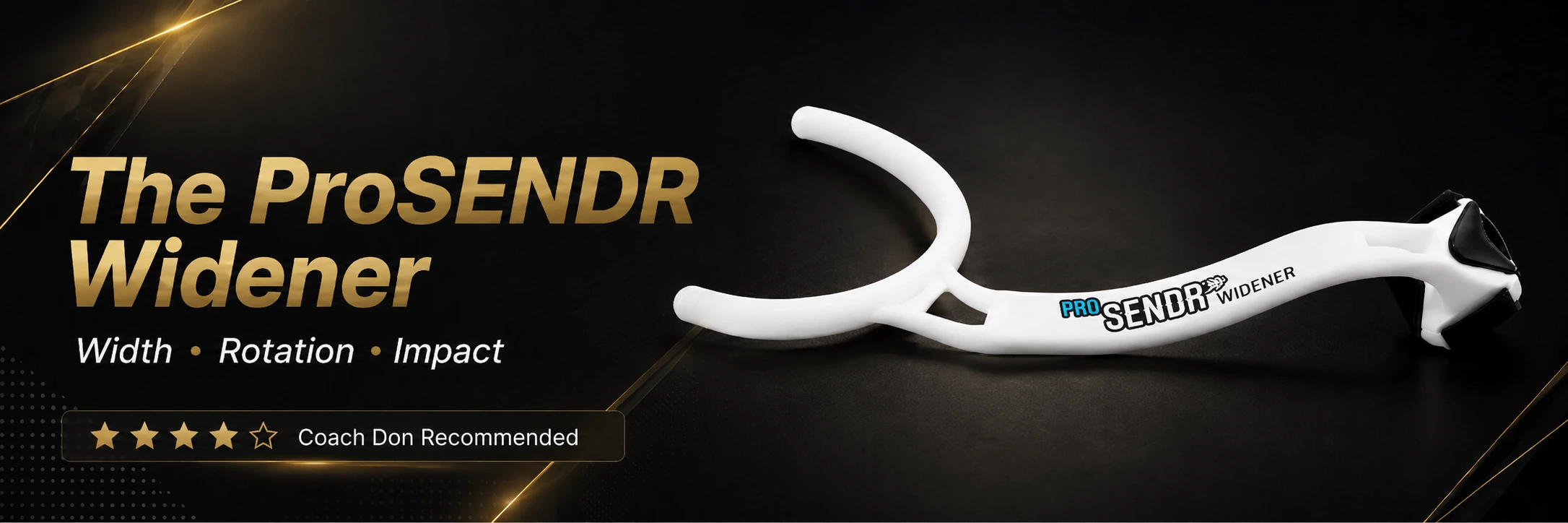
Best for: width, wrist structure, rotation, and impact organization.
Helps with: giving the golfer a clearer feel for arm structure without overthinking mechanics.
Not ideal for: players who need a basic setup or grip correction first.
Coach Don’s take: a good fit when the player needs more structure and a better impact pattern.
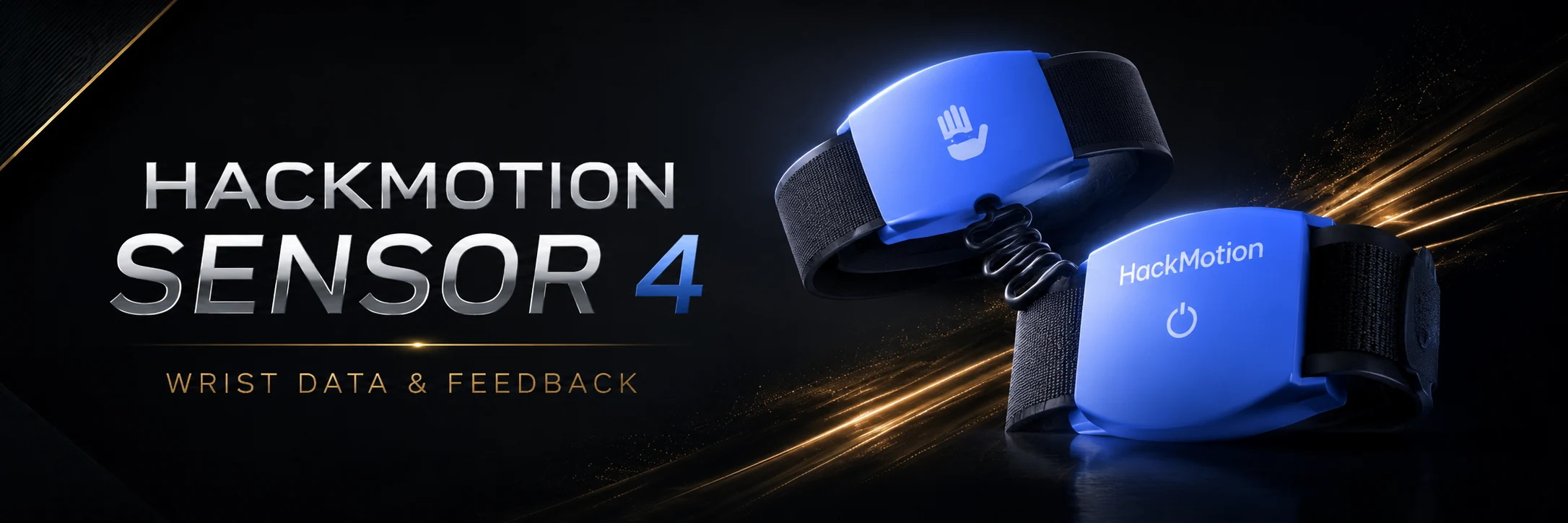
Best for: wrist data, clubface control, and understanding what the hands are actually doing.
Helps with: measuring wrist angles so the player can connect grip, wrist motion, face control, and impact pattern.
Not ideal for: golfers who want a simple no-data feel tool or who are not ready to practice with feedback.
Coach Don’s take: a serious feedback tool when wrist conditions and clubface control are the real problem. I like it when the data supports the lesson instead of overwhelming the player.
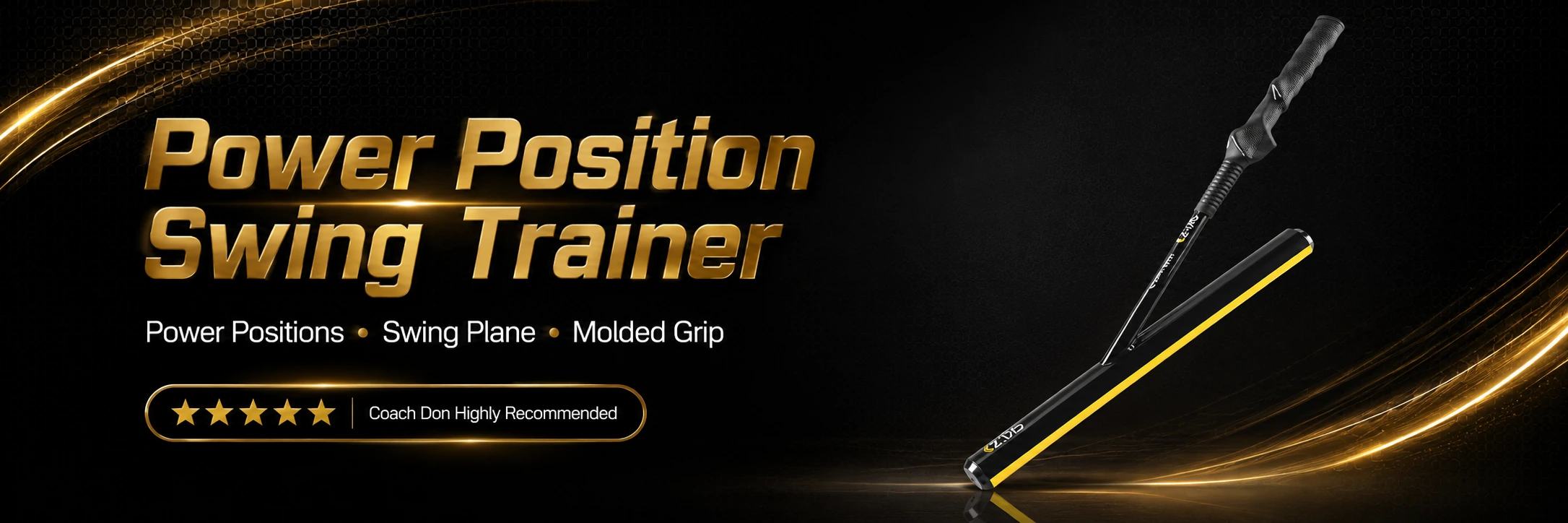
Best for: hand placement, power positions, and swing structure.
Helps with: rehearsing grip, arm position, and plane with a compact tool.
Not ideal for: players who need full-speed feedback or pressure-shift training.
Coach Don’s take: especially useful for simple rehearsals and players who need better position awareness.
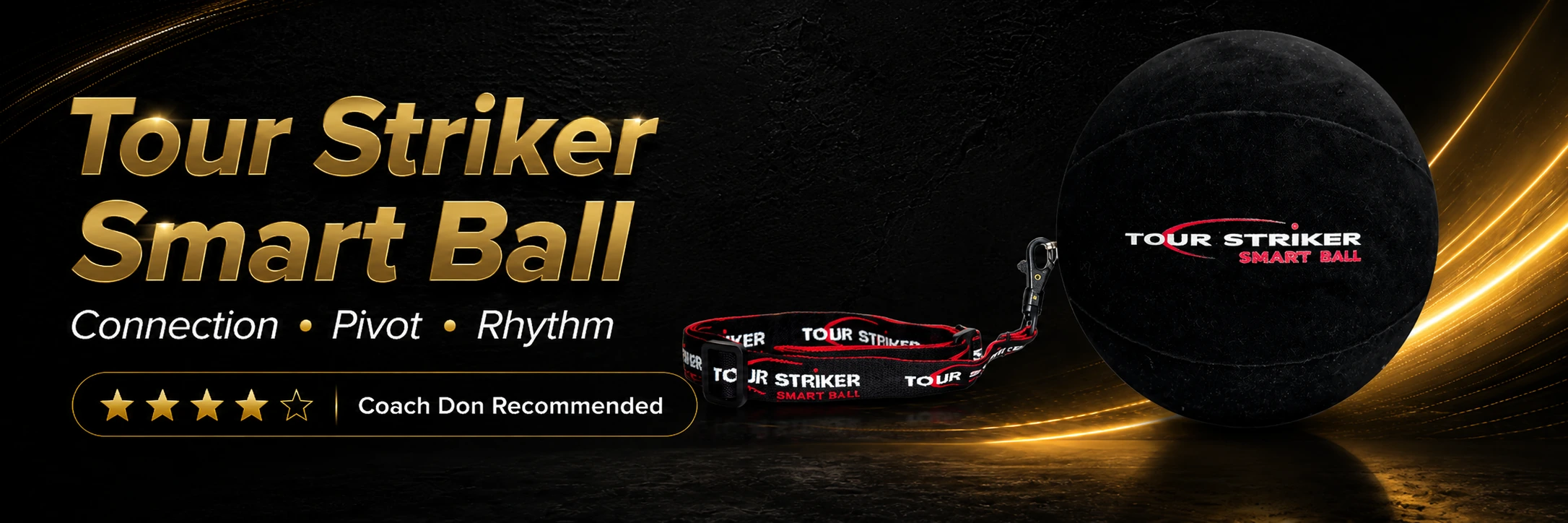
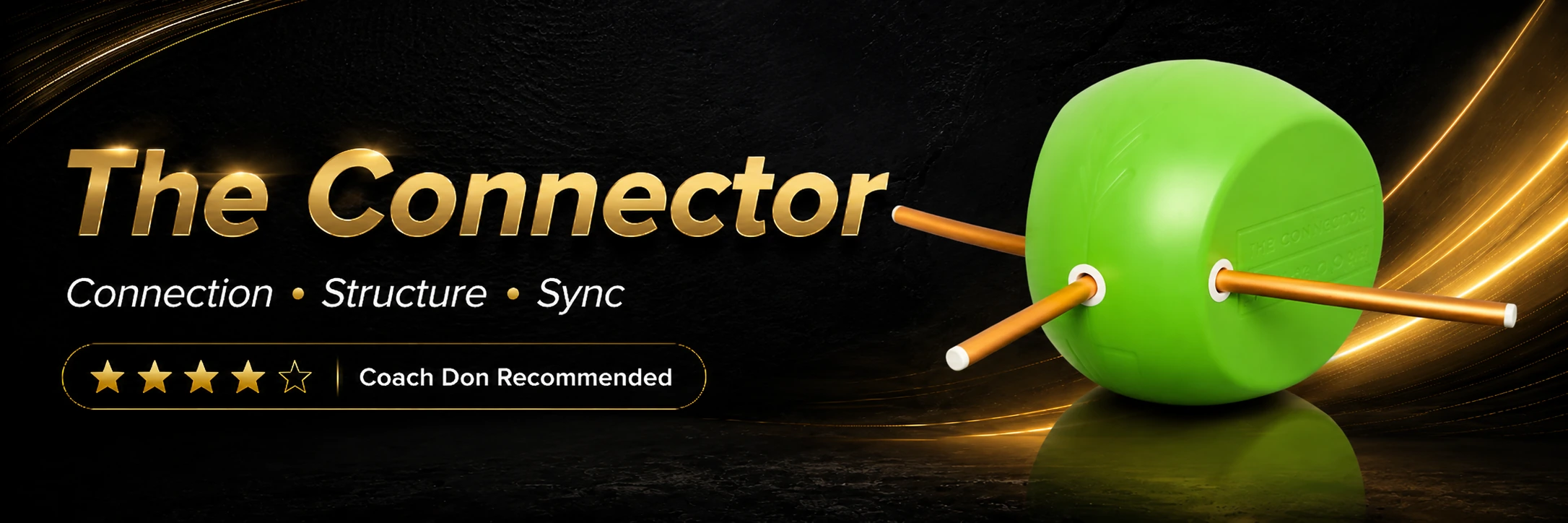
Best for: connection, arm structure, and body sync.
Helps with: keeping the arms working together so the body can rotate through the ball.
Not ideal for: players who use it without understanding what connection should feel like.
Coach Don’s take: one of the better tools when a golfer needs the arms and torso to work as a team.
Best for: arm-body connection and structure.
Helps with: feeling how the arms and body should work together instead of fighting each other.
Not ideal for: golfers who need freedom and speed before adding structure.
Coach Don’s take: a useful connection tool when the player’s arms are separating from the body motion.
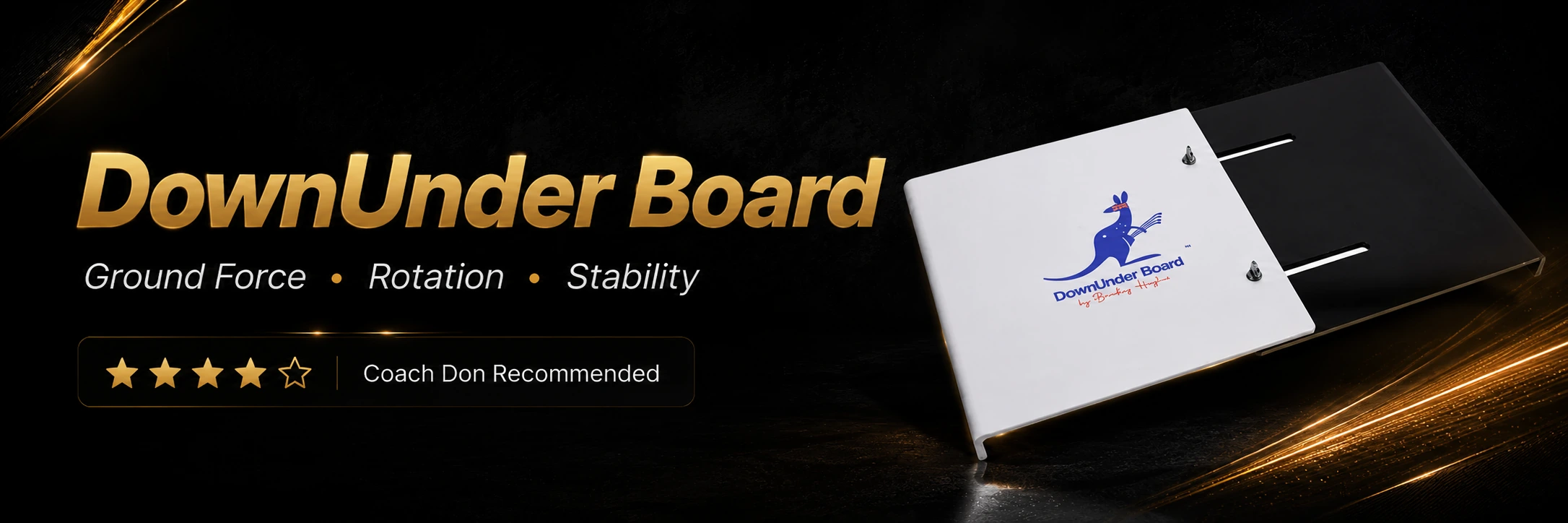
Best for: foot pressure, ground force, stability, and rotation.
Helps with: teaching golfers how to use the ground and keep the lower body organized.
Not ideal for: players who first need pain-free mobility or basic balance work.
Coach Don’s take: helpful when the feet and lower body need clearer structure.
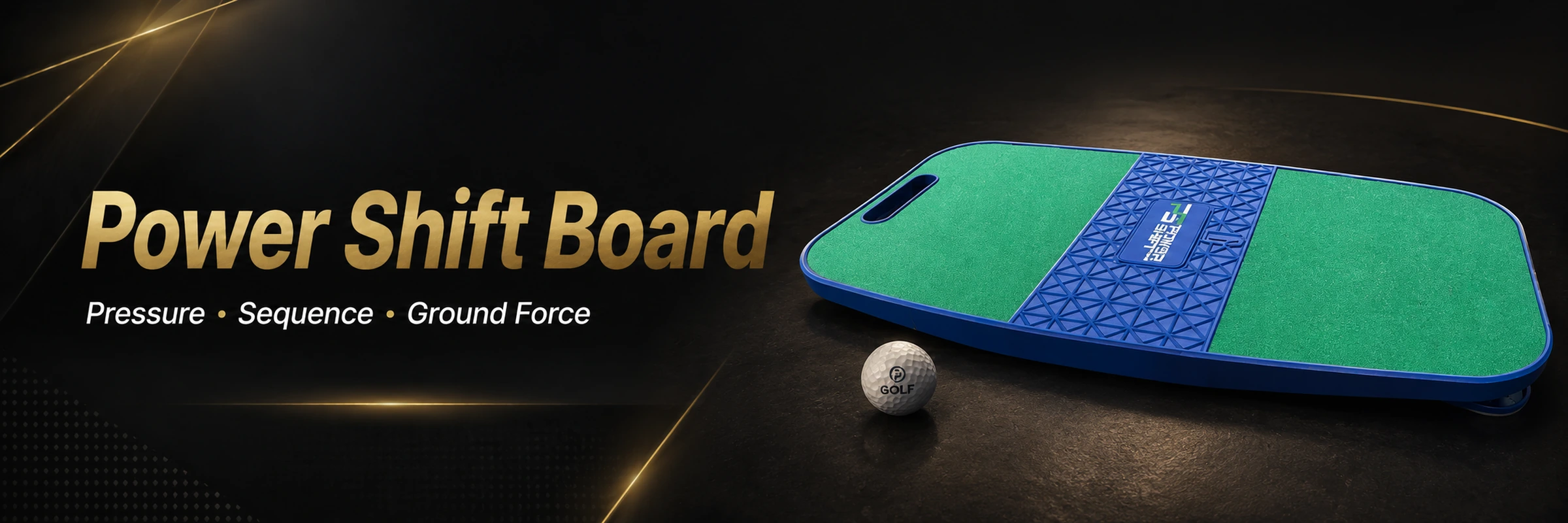
Best for: pressure shift and lower-body sequence.
Helps with: feeling how to move into the lead side instead of hanging back through impact.
Not ideal for: players who turn the drill into a big sway instead of a controlled pressure shift.
Coach Don’s take: good for players who need to understand first gear and lead-side pressure.
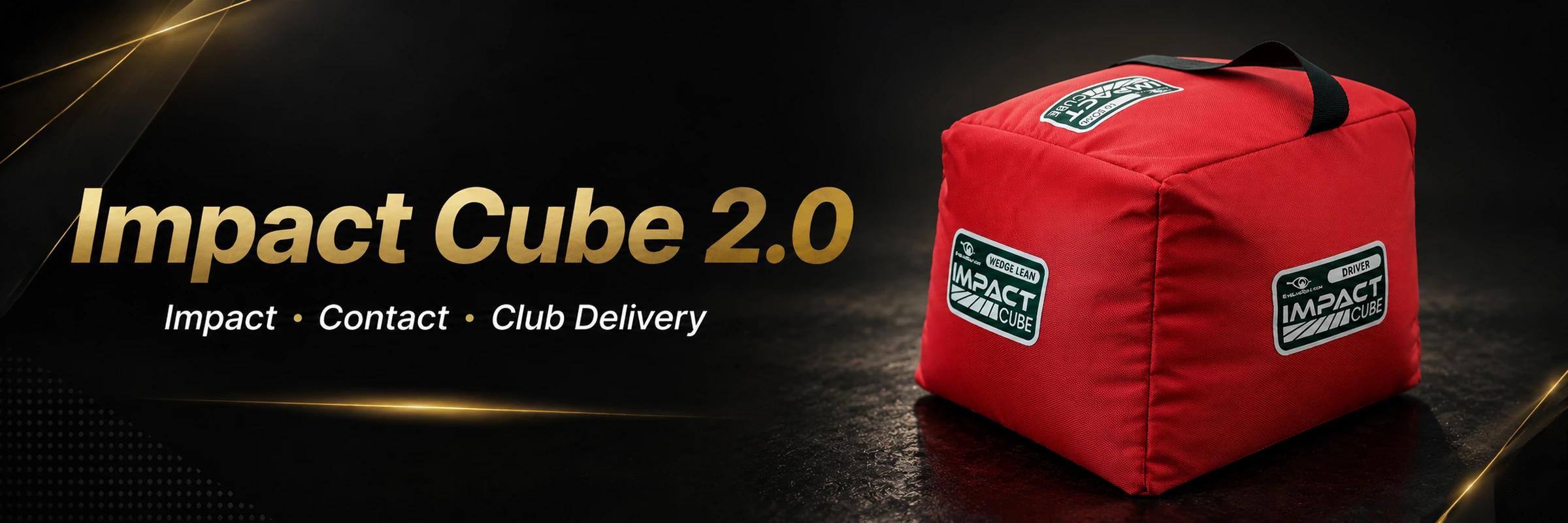
Best for: impact structure, club delivery, and strike awareness.
Helps with: giving a player feedback about how the club is moving through impact.
Not ideal for: golfers who need full ball-flight feedback first.
Coach Don’s take: a good tool when the player needs to understand strike and delivery in a more physical way.
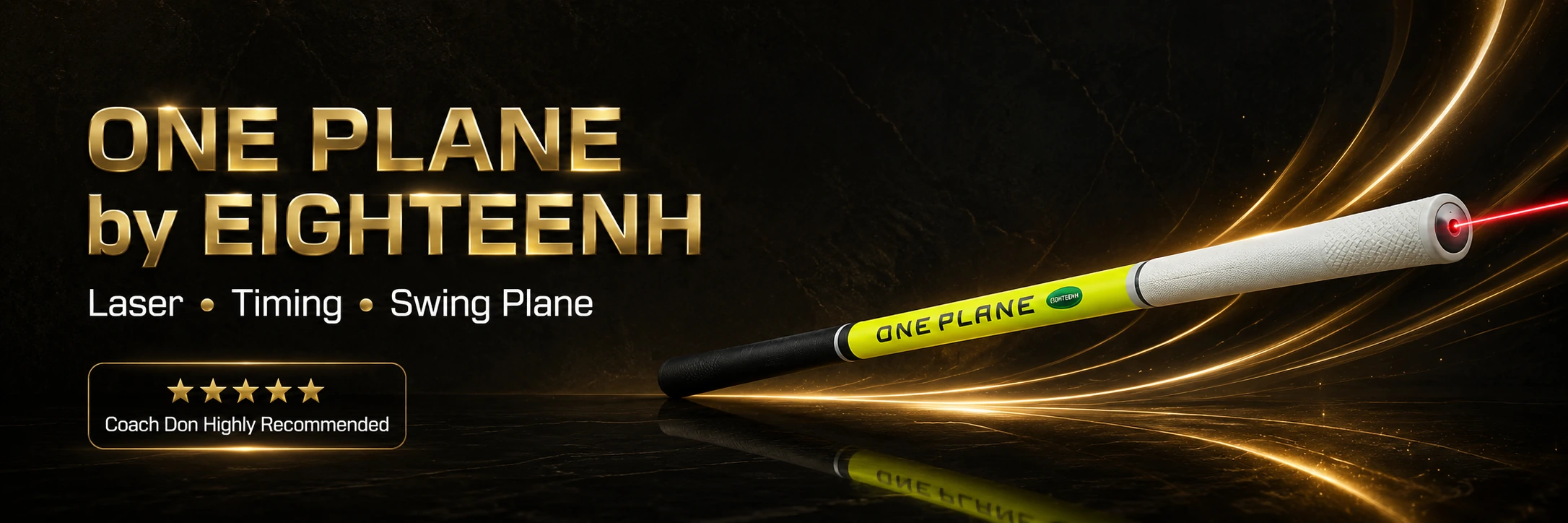
Best for: visual swing-plane feedback and rehearsal.
Helps with: seeing the path of the club more clearly with laser-guided feedback.
Not ideal for: players who will chase the laser instead of learning the full body sequence.
Coach Don’s take: useful for the right visual learner, but it should support the swing — not become the swing.
Some training aids are excellent. Some are useful only for certain players. Some can make a swing problem worse if they do not match the golfer’s actual pattern. Before I recommend a tool, I want to know what the player is trying to fix, what their swing is actually doing, and whether the aid will help them practice correctly.
These answers explain how Coach Don uses training aids in lessons and how tools like HackMotion, ProSENDR, Orange Whip, Smart Ball and Impact Cube should match the real swing problem.
Yes, but only when the training aid matches the actual swing problem. A good tool can create a better feel, better practice and faster learning. A random tool can create more confusion.
That depends on what your swing needs. Some golfers need grip structure. Some need wrist control. Some need tempo, pressure shift, connection, impact feedback, swing plane feedback or speed training.
Yes. I often use training aids during private golf lessons at Perfectly Fit Golf so golfers can feel the motion more clearly before deciding whether the tool is worth using at home.
Not always. If you are unsure what your swing needs, it is usually better to identify the problem first so you do not spend money on the wrong tool or practice the wrong feel.
HackMotion Sensor 4 helps measure wrist angles so the player can connect grip, wrist motion, clubface control and impact. I like it when wrist data supports the lesson instead of overwhelming the player.
ProSENDR Widener helps golfers feel width, wrist structure, rotation and better impact organization. It can be useful when the player needs more structure without overthinking the motion.
Orange Whip is useful for tempo, rhythm, balance, sequencing and warm-up. I like it for golfers who need smoother flow rather than a complicated mechanical thought.
Tour Striker Smart Ball helps golfers feel connection, arm structure and body sync. It is useful when the arms and torso need to work together instead of separating through the swing.
Impact Cube 2.0 helps with impact structure, club delivery, strike awareness and feedback about how the club is moving through the hitting area.
The Power Shift Board helps golfers feel pressure shift, lower-body sequence and how to move into the lead side instead of hanging back through impact.
Not always. Some tools may be used for instruction, some may be available through Perfectly Fit Golf and some may be recommended only when they truly fit the player’s needs.
Perfectly Fit Golf is located in Escondido near the San Marcos border and helps golfers across North County San Diego choose tools that match the real swing problem.
Tell me what you are trying to fix, and I can point you toward the right practice tool for your swing, putting, or short game. If you are not sure whether you need a private golf lesson, a fitting, or a specific product, I can help you sort that out too.