Can change posture, contact, start direction, turf interaction and where the club sits at impact.
Why Getting Fit Matters
Stop Fighting Clubs That Do Not Fit Your Swing
Private One-on-One Fitting with Coach Don
Your Clubs Should Fit Your Body, Swing and Goals
Fittings Overview
Golf Club Fittings Overview
Golf club fitting is not just about buying new clubs. It is about understanding whether your equipment is helping your swing, hurting your swing, or forcing you to make compensations that keep showing up on the course.
Fitting Myth
You do not have to be a great golfer to benefit from a proper fitting.
One of the biggest fitting myths is: “I should wait until I get better.” In reality, a club that better matches your body, speed, setup, grip size and delivery can make the game easier to learn right now.
Off-the-rack clubs are built around averages, but no golfer is truly average. If the club does not fit the golfer, the golfer often has to change the swing to fit the club.
Who Benefits?
More golfers than most people think.
✓ Beginners starting with the right tools
✓ Weekend golfers trying to break 90
✓ Seniors needing more forgiveness
✓ Juniors and teens still developing
Off-the-rack problem
Standard clubs are made for “average.” No golfer is truly average.
Off-the-rack clubs are mass-produced around a generic profile. That does not mean they are bad clubs, but it does mean they may not match you. Standard equipment may not match your height, arm length, swing speed, grip size, posture, stance, flexibility, ball-flight pattern or skill level.
Can change timing, face control, launch, spin and the golfer’s ability to repeat the motion.
Can affect comfort, face control, hand action and confidence over the ball.
Can make the game harder by creating poor gapping, too little forgiveness or clubs that do not fit the golfer’s real needs.
Simple way to think about it
Do not learn golf from the wrong seat position.
Trying to learn golf with poorly fit clubs is like learning to drive with the seat too far back, the mirrors out of place and the steering wheel set too low. You might still be able to manage, but everything is harder than it needs to be. Properly fit golf clubs should adapt to you, not force you to adapt your swing to them.
Schedule a Fitting
Read Client Reviews
Private one-on-one fitting in Escondido near the San Marcos border.
How fitting helps
Custom fitting is not just about distance.
Distance matters, but a proper fitting should also help the golfer improve accuracy, contact, confidence, consistency and enjoyment. The goal is to make better decisions throughout the bag.
Better length, lie, shaft, head and ball choices can help reduce directional misses.
Fitting helps identify why contact may be inconsistent and whether equipment specs are contributing to the problem.
The more the club matches the golfer, the less the golfer has to manipulate the swing just to make the club work.
Golf is more fun when the clubs feel right, the gaps make sense and the golfer understands why the equipment fits.
my fitting style
You work directly with me, not a salesperson.
Perfectly Fit Golf is a one-man operation. That means you work directly with me, Coach Don Clarke, every step of the way. The goal is to make sure your equipment works with your swing, your body and your goals — not against them.
The session is not built around pushing a product or rushing you into a sale. It is built around finding the right answer.
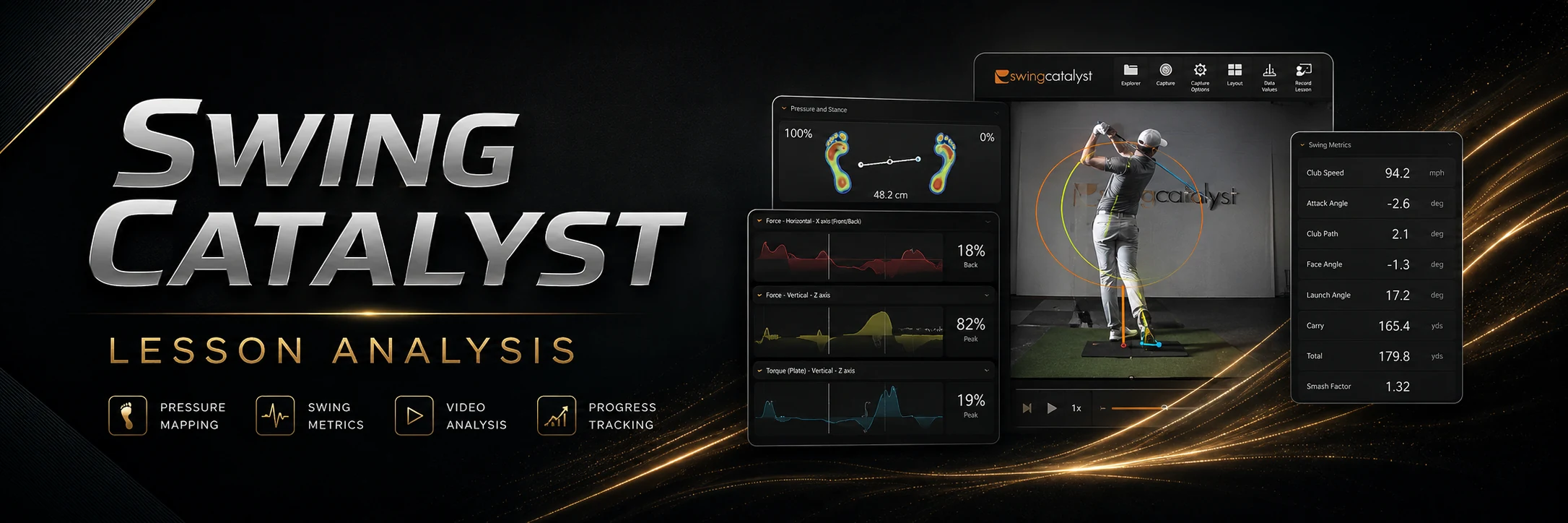
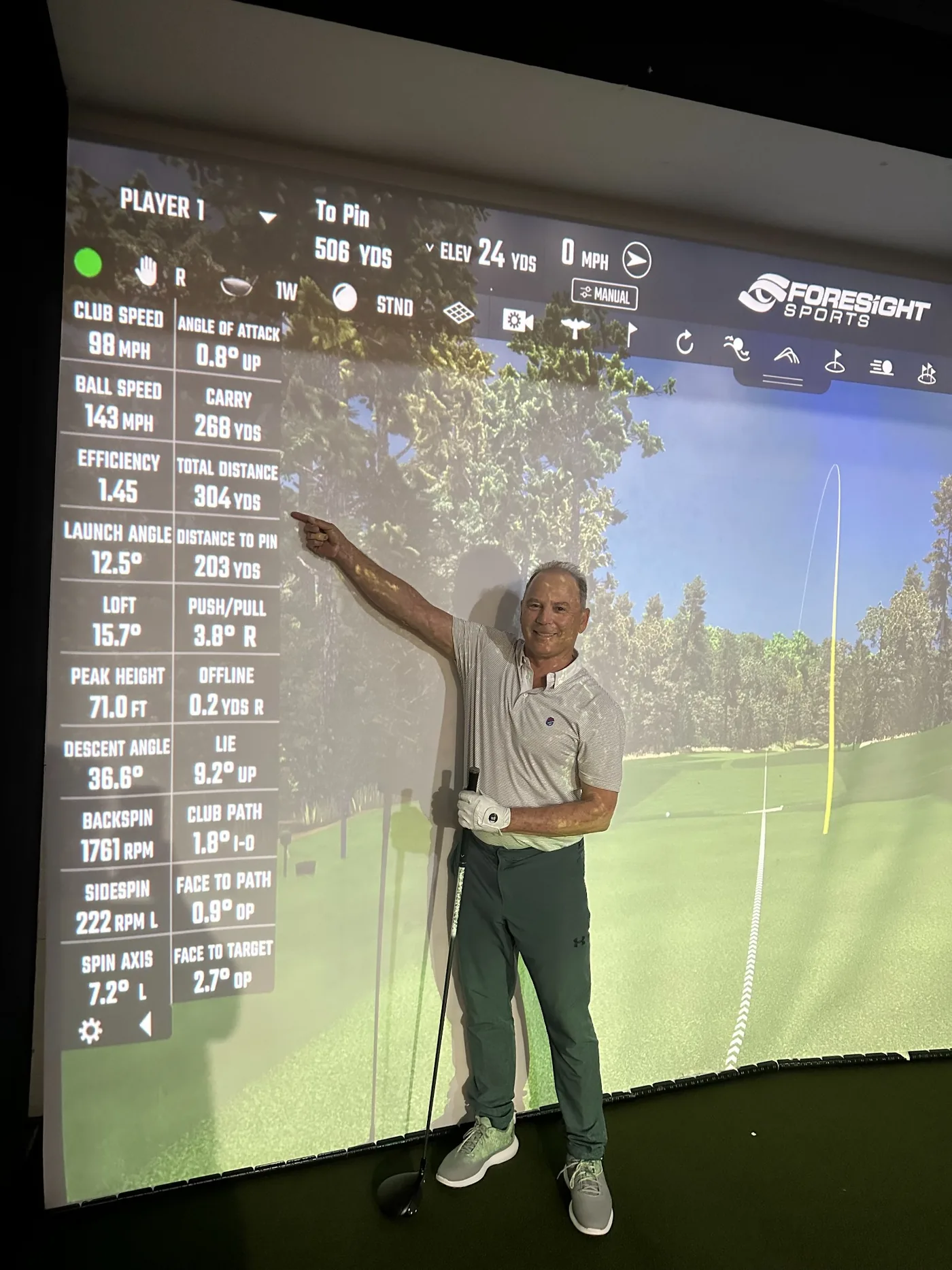
GCQuad data and swing information are used, but I explain what the numbers mean in plain English.
Sometimes the answer is not new clubs. Sometimes the better answer is an adjustment, a shaft change, a grip change, a ball change or a lesson priority.
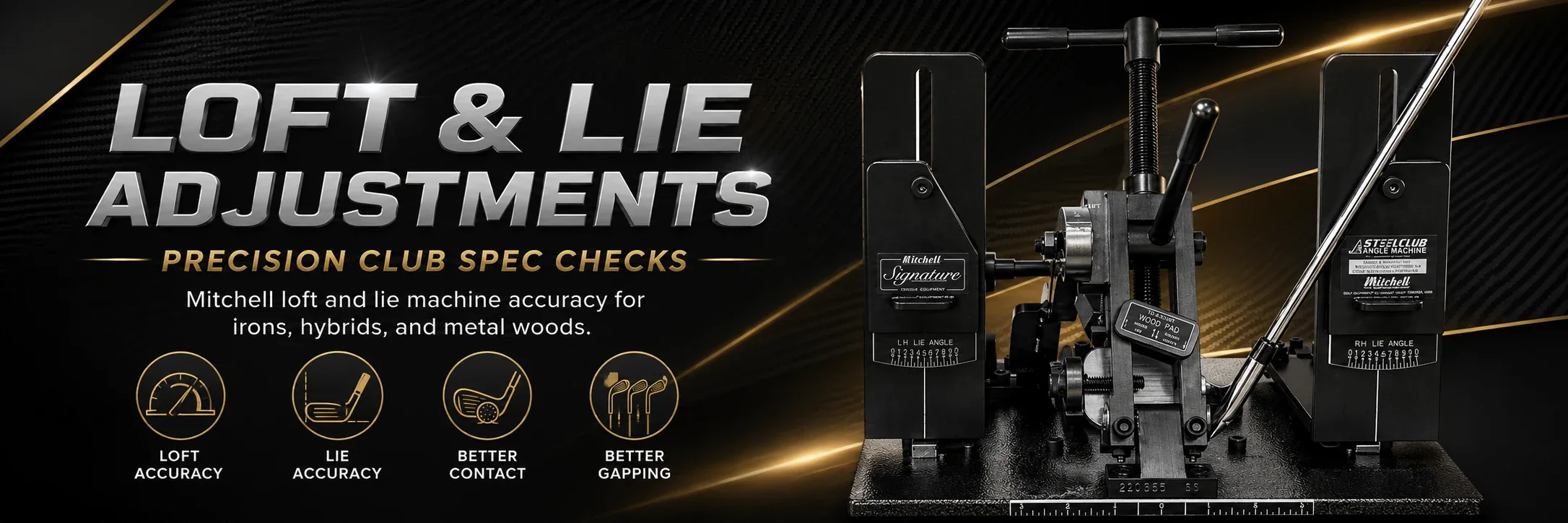
As a Master Club Builder, I care about the final specs. A good fitting only matters if the clubs are built correctly.
What goes into a proper fitting?
A complete fitting looks at more than one number.
A proper club fitting connects the golfer, the club, the ball and the job that club needs to do. It may include launch monitor data, swing analysis, shaft flex and weight testing, lie angle and length checks, grip size and type evaluation, clubhead style, loft gapping, tempo, goals and current miss pattern.
Look at contact, launch, spin, curve, carry distance, direction, descent angle and consistency.
Test weight, feel, flex profile and timing so the shaft supports the player’s motion.
Check the build specs that affect setup, impact, face control and comfort.
Match forgiveness, launch, turf interaction, gapping and purpose to the player’s needs.
The fitting order
The order matters because every club has a different job.
my current fitting flow starts with the putter and scoring clubs, then works into irons, hybrids, fairway woods, driver and finally the golf ball. That order keeps the fitting focused on scoring, useful distance gaps and how the entire bag works together.
my Recommended Fitting Priority
Fit the clubs that affect scoring and confidence first.
Every golfer is different, so the exact order can change. But when a golfer wants a smart starting point, I often prioritize the clubs that influence scoring, penalty shots, contact and confidence the most.
01
Putter Fitting
The putter is used more than any other club. Length, lie, loft, grip, aim, setup and roll can all affect start line, speed control and confidence.
02
Driver Fitting
Driver affects tee-shot confidence, launch, spin, distance, dispersion and whether the golfer is playing from the fairway or recovering from trouble.
03
Iron Fitting
Irons need to match length, lie, shaft, head design and delivery so contact, direction and distance control are not fighting the golfer.
04
Wedge Fitting
Wedges influence gapping, turf interaction, trajectory, spin and touch around the greens. Loft, bounce and grind have to match the player.
What To Expect
What happens during a club fitting?
The session is private, focused, and built around your current clubs, your swing, your ball flight, and what you want your equipment to do better.
1
Review your current clubs
We look at your current setup, what works, what does not, your normal miss, and the goals for the fitting.
2
Measure your real delivery
GCQuad data shows club speed, ball speed, launch, spin, attack angle, face delivery, carry distance, strike location and dispersion.
3
Test smarter options
Clubhead, shaft, length, lie, loft, grip, set makeup and golf ball options can be compared against what you currently play.
4
Confirm the full picture
The recommendation is based on data, ball flight, strike pattern, feel, gapping and whether the club helps your swing perform.
5
Leave with a clear plan
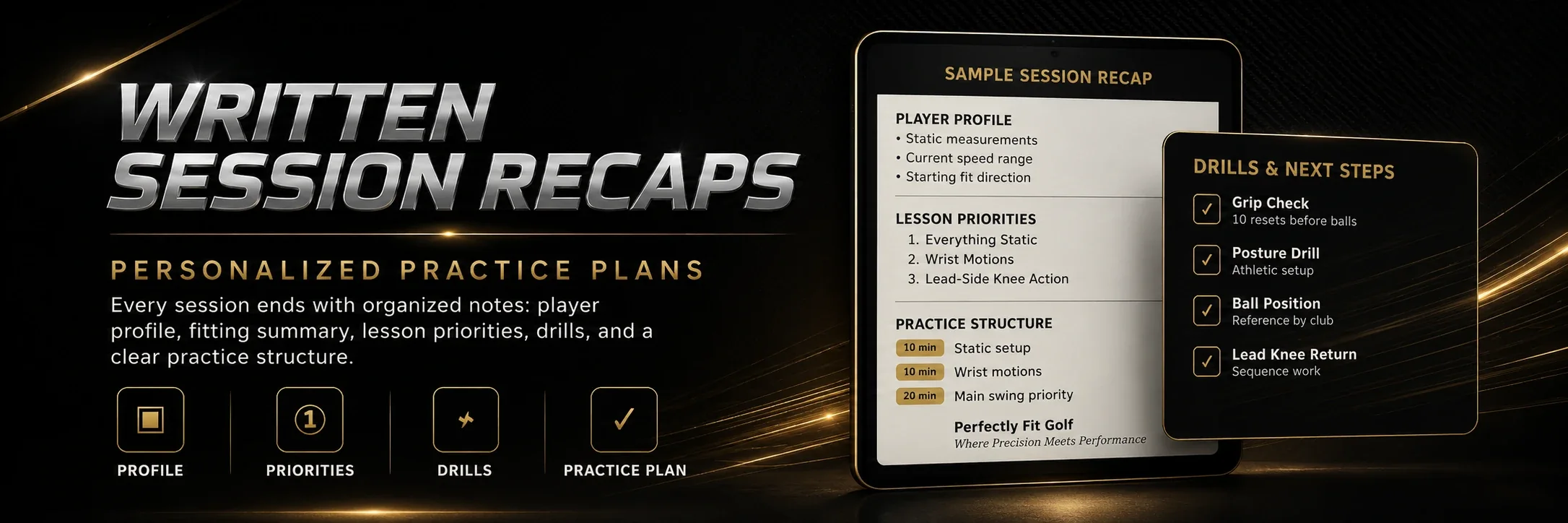
You receive a direct recommendation and a written recap so you understand what was found and why it matters.
GCQuad + Real-World Interpretation
Advanced data. Simple answers.
The numbers matter, but only when they are explained clearly. I walk you through what the data means, what the ball flight is showing, and which equipment changes actually help.
Club Fitting FAQ
Golf club fitting questions before you book.
These answers explain how a private club fitting works at Perfectly Fit Golf and why the right equipment can make the game easier to learn and play.
Am I good enough to benefit from golf club fitting?
Yes. Properly fit clubs are not only for elite players. Beginners, weekend golfers, seniors and juniors can all benefit when clubs better match the golfer instead of forcing compensation.
What club fitting should I start with?
That depends on what is hurting your score most. Putter fitting, driver fitting, iron fitting, wedge fitting, hybrid fitting, fairway wood fitting and ball fitting can all be handled separately or as part of a broader plan.
Do I need a full bag fitting?
Not always. Some golfers need one category solved first, while others need a full bag review because gapping, shaft weights, lie angles or club choices do not fit together.
Is ball fitting included?
Yes. The golf ball affects launch, spin, distance, feel, stopping power and consistency, so it can be included when it matters to the fitting.
Will I be pressured to buy golf clubs?
No. The fitting is built around honest answers. Sometimes the recommendation is new equipment, but sometimes the better answer is an adjustment, a grip change, a shaft change, a ball change or no change at all.
What if my current clubs are already close?
Then the fitting may confirm that, identify small adjustments or show where one part of the bag needs attention before anything else.
What makes this different from a retail fitting?
The session is private, unrushed and explained clearly. You work directly with Coach Don, who connects launch data, swing tendencies, equipment specs and club-building details.
Do you check length, lie, loft, shaft, grip and swing weight?
Yes. Depending on the club category, the fitting may look at playing length, lie angle, loft, shaft weight, shaft profile, grip size, head design, swing weight, gapping and ball performance.
Can a fitting help if I slice or struggle with contact?
Yes. A fitting can show whether equipment is contributing to the problem. If the swing is the bigger issue, Coach Don will explain that clearly instead of blaming the clubs.
Where are club fittings done?
Club fittings are done in the Perfectly Fit Golf private indoor studio in Escondido near the San Marcos border, serving golfers across North County San Diego.
Do I receive a written recommendation?
Yes. A written recap or recommendation is included so you understand what was tested, what worked, what did not and what the next step should be.
How do I schedule a club fitting?
Call or text 760-807-4649 or use the contact page to schedule a private club fitting at Perfectly Fit Golf.
Private fitting in Escondido
Want to know if your clubs are helping or hurting?
Start with the overview, then choose the fitting category that solves the biggest problem in your bag. I will help you decide whether your current equipment can be adjusted or whether something should be changed.